Proving Impact Without Full Takeover - A Short XXS Story
Prelude
Sometime during the last quarter of 2025, I led a web app pentest engagement for an internal application, and I stumbled across a reflected XXS vulnerability within a WYSIWYG editor used for making complaints.
Basic XXS is often times dismissed as a low severity vulnerability and as an offensive security engineer, showing impact is imperative when communicating findings to the development or triage team.
Therefore, I was fully aware that reporting this vulnerability without showing impact would likely be futile. So I thought of ways in which the reflected XXS could be escalated to demonstrate high impact.
In this post, I discuss how I chained a reflected XSS within a WYSIWYG editor’s link feature with a phishing email to exfiltrate the cookie of the recipient.
Caveat
Before getting into the weeds, please note that this post is for educational and ethical purposes. Unauthorized testing or misuse of the concepts discussed in this post, without explicit permission is unethical and unlawful.
Why a Final Pass Matters
Prior to discovering the reflected XXS, I had pretty much tested every major functionality of the application. Nevertheless, I almost missed out on testing the complaint email functionality. It was very easy to overlook because it was tucked away in an obscure corner of the interface.
Over the past year, I have been intentional about refining my pentest methodology, ensuring that every component of an application is tested—especially the ones that are easy to overlook or rarely exercised.
As the testing window drew to a close, I went back through the application to see if I had missed out on something, and thank God I did, because that decision ultimately proved critical to uncovering the vulnerability.
When a Low-Risk Bug Refused to Stay Small
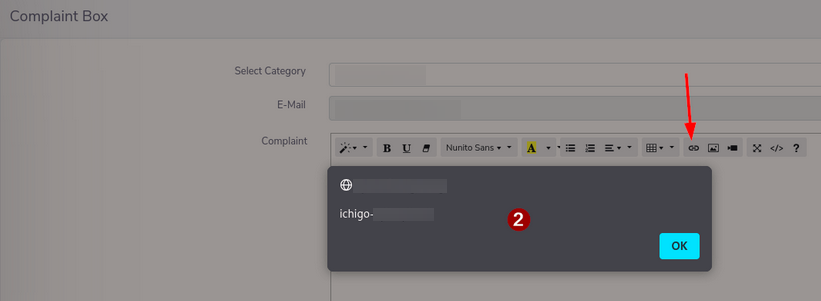
Upon reaching the complaint functionality, I noticed that it uses a WYSIWYG editor for user input, and my first instinct was to test the link feature for XSS or injection vulnerabilities.
With just a basic XXS payload, the link field executed and reflected the payload in my browser. A valid finding but as mentioned earlier, showing impact is key.
PoC
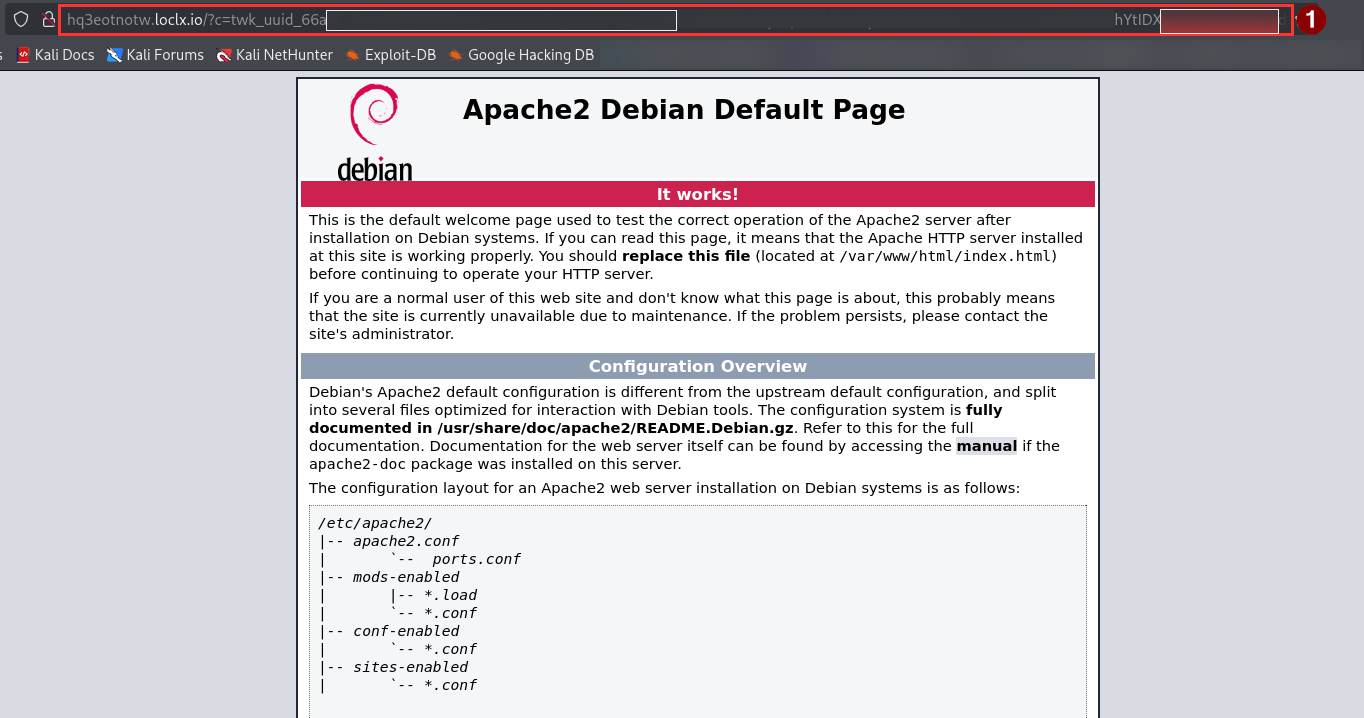
I decided to host a web server on my attacker machine and expose it externally through a secure tunnel using LocalXpose. To make the attack more convincing and increase the likelihood of the recipient clicking the XSS-laced link used for cookie exfiltration, I crafted a simple phishing email.
Unfortunately, the payload worked, but only the recipient’s twk_uuid cookie was exfiltrated. The session cookie was not, because the HttpOnly flag was enabled.


Closing Thoughts
From an attacker’s perspective, this would not be considered a complete win, because only the twk_uuid cookie was exfiltrated; thanks to the HttpOnly flag protecting the session cookie. However, one of the primary reasons for sharing this experience was to illustrate how a low-risk vulnerability can be escalated to demonstrate real impact. Even without full session compromise, successfully exfiltrating another user’s cookie was enough to prove real-world exploitability and cross-user impact.
Personally, this assessment served as a reminder that effective security testing is not just about identifying flaws, but about understanding how they can be abused, communicating risk clearly, and maintaining a disciplined methodology that leaves no stone unturned. It also highlights where these kinds of bugs tend to hide—inside obscure, rarely used features that are easy to overlook but often worth a closer look.